Articles

Trick Training

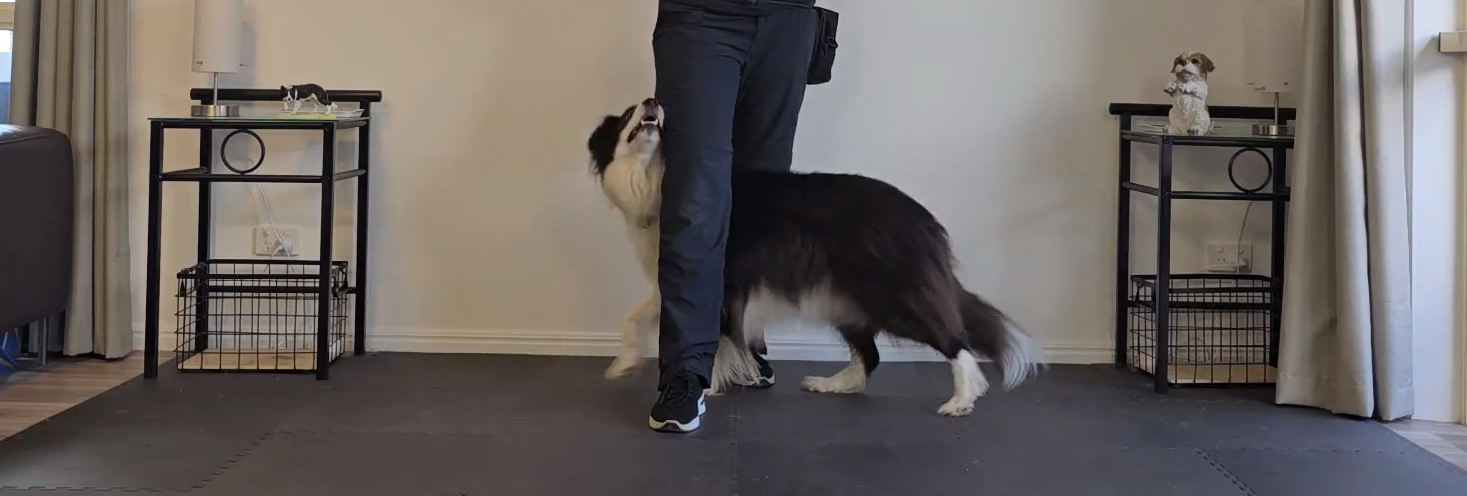
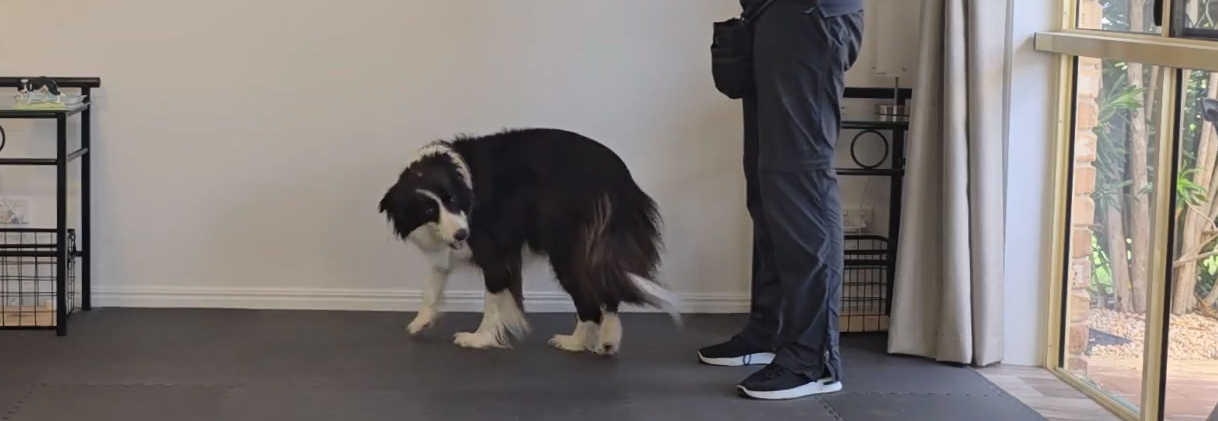
How To Teach “Weave” (Moving Leg Weaves)

Moving Leg Weaves is a fun and dynamic trick that helps improve your dog’s balance, coordination, and flexibility. It’s a great warm-up exercise, perfect for agility training, and an excellent way to build body awareness. This trick also strengthens focus and teamwork, making it both an engaging challenge and a useful skill for active dogs.

Read Post ➭
Trick Training

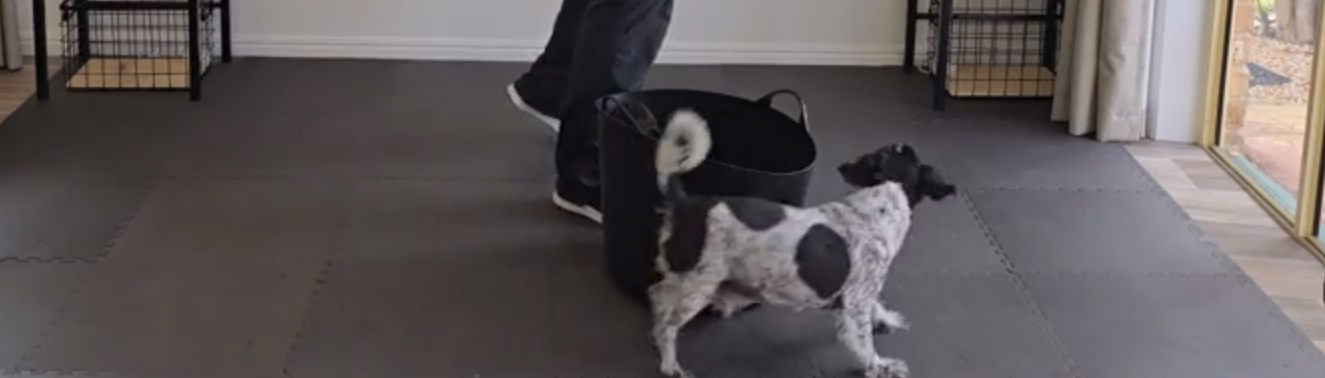
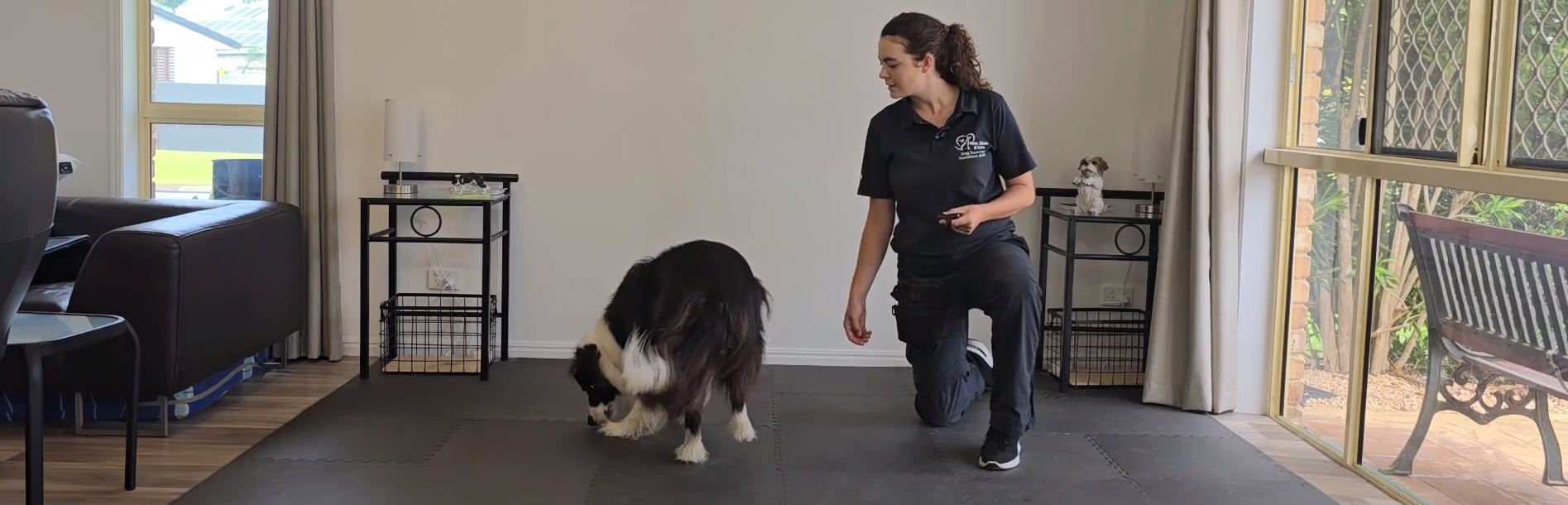
How To Teach “Go Round” (Dog Walks In A Circle Around An Object)

Go Round is a practical and versatile trick where your dog learns to move around an object on cue. It’s especially useful on walks when your dog goes on the wrong side of a lamp post or needs to navigate around obstacles. This trick also helps with manoeuvring in crowded areas and serves as a great foundation for more advanced directional training.

Read Post ➭
Trick Training

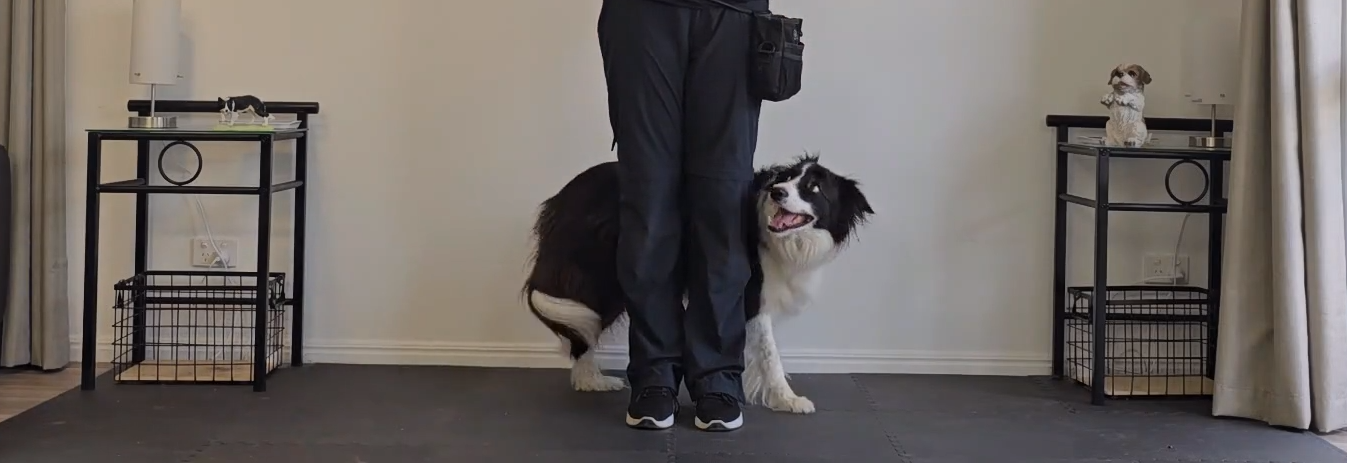
How To Teach “Circle” (Dog Walks In A Circle Around Handler)

Circle is a dynamic trick where your dog walks in a full circle around you. It’s great for improving coordination, body awareness, and focus while also being a foundation for more advanced tricks and heelwork. This trick is especially useful during walks, helping your dog switch sides smoothly or untangle their leash. Building confidence and engagement, Circle is both a fun trick and a practical skill for everyday life.

Read Post ➭
Trick Training

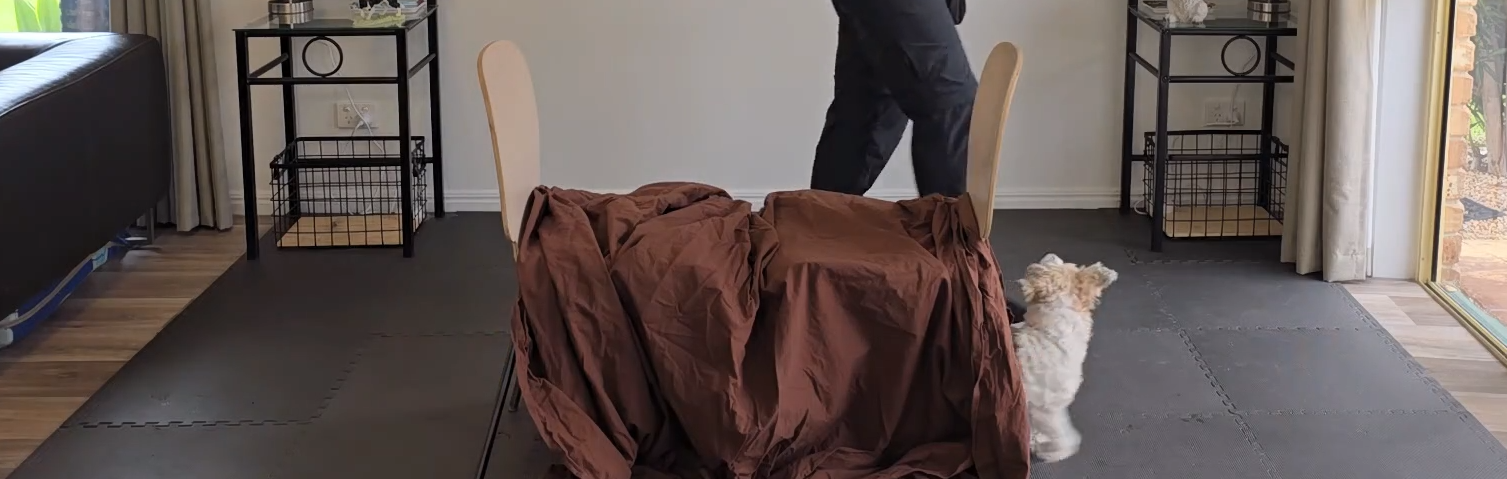
How To Teach “Tunnel” (Go Through An Obstacle)

Tunnel is more than just an agility trick—it’s an essential exercise for building confidence and resilience. Encouraging your dog to move through an enclosed space helps them overcome hesitation, develop problem-solving skills, and become more comfortable navigating different environments. Whether used for fun, fitness, or as a foundation for agility, Tunnel is a great way to boost your dog’s confidence while keeping training exciting and engaging.

Read Post ➭
Trick Training

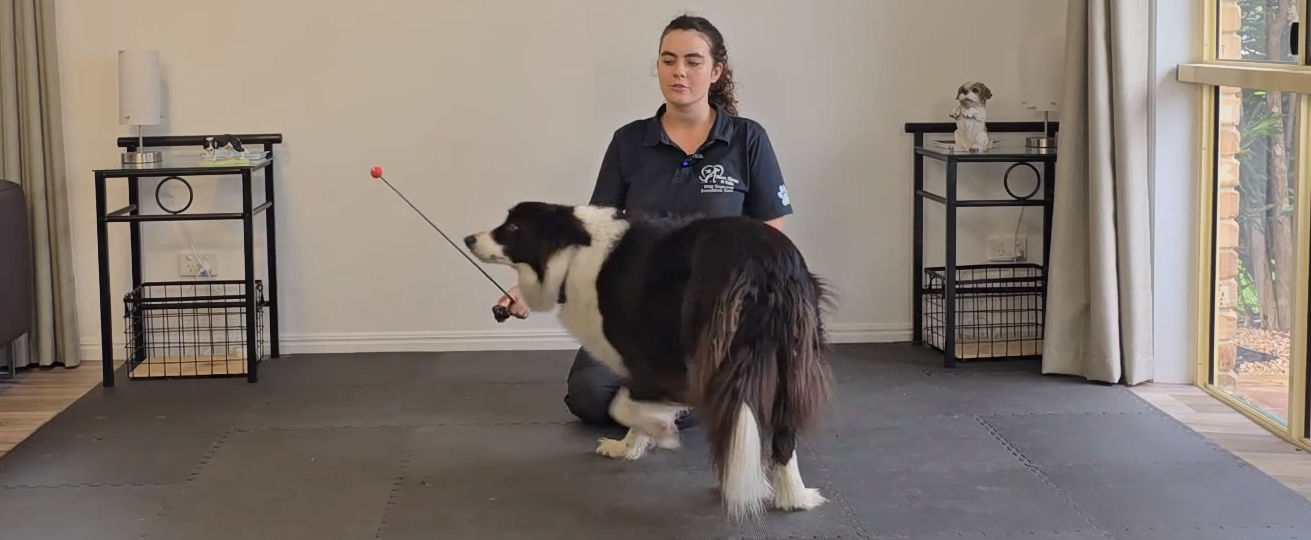
How To Teach “Target” (Nose to Target Stick)

Target is a versatile trick where your dog learns to touch a target stick—whether a purpose-built target stick, a pencil, or any similar object—with their nose. This trick builds focus, coordination, and problem-solving skills while laying the foundation for advanced tricks such as sending to objects, spinning, or even trick dog sports. It’s a fun way to refine movement and engagement while keeping training interactive and rewarding.

Read Post ➭
Trick Training

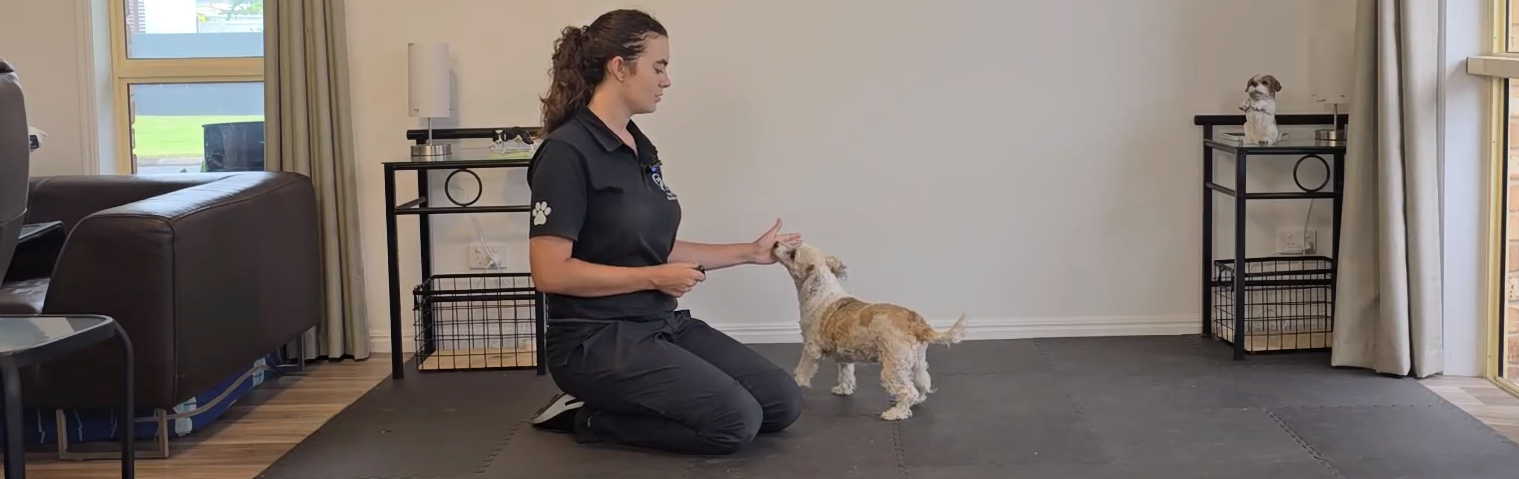
How To Teach “Touch” (Nose to Hand)

Touch is a simple yet powerful trick where your dog learns to target your hand with their nose. It’s a great foundation for many advanced tricks, improves focus, and helps with confidence building. This skill is also useful for recall, guiding movement in training, and creating positive interactions with nervous or excitable dogs.

Read Post ➭
Trick Training

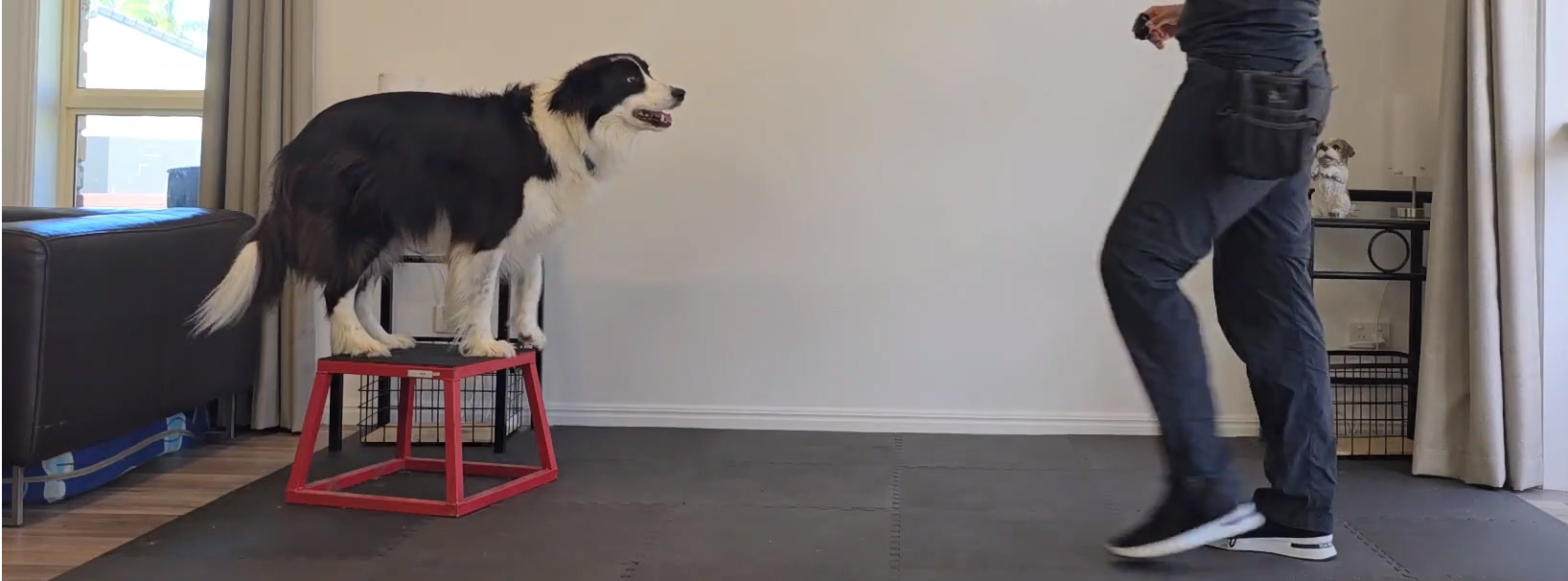
How To Teach “Get On”

Get On is a valuable skill that teaches your dog to confidently place all four paws on an object. It’s useful for vet visits, allowing them to stand comfortably on scales or examination tables, and is a great tool for voluntary husbandry. This trick also builds coordination, confidence, and balance, making it an excellent foundation for trick training, dog sports, and socialisation activities.

Read Post ➭
Trick Training

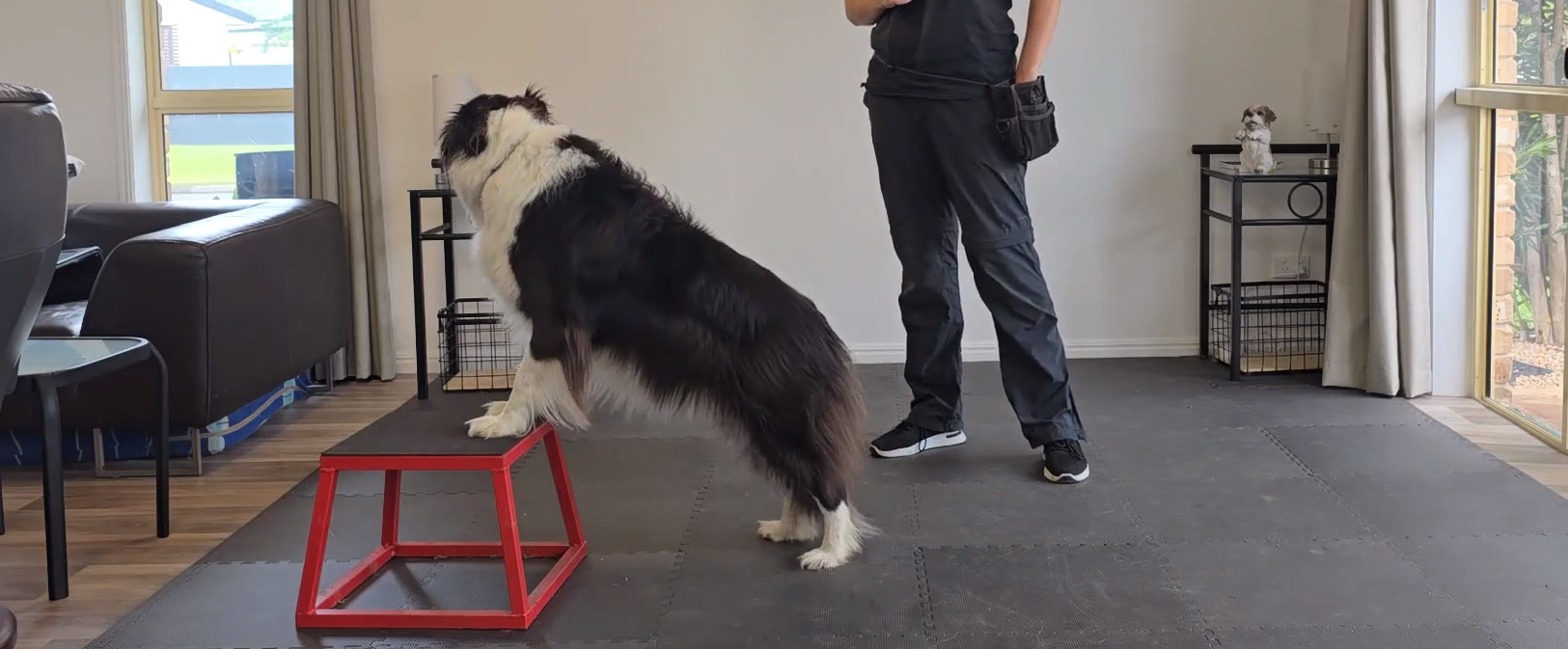
How To Teach “Put Two Paws Up”

Paws Up is a fun and versatile trick that teaches your dog to place their front paws on an object. It’s a great confidence booster, a foundation for many advanced tricks, and useful for voluntary husbandry, helping dogs feel comfortable with paw handling and different surfaces. Whether for training, exercise, or just for fun, this trick improves coordination and body awareness while building a stronger connection between you and your dog.

Read Post ➭
Trick Training

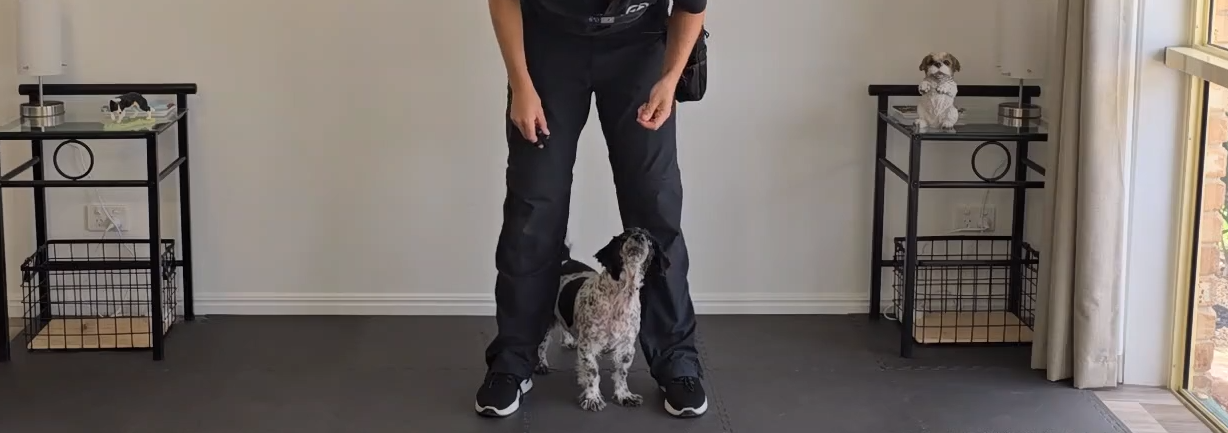
How To Teach “Middle”

Middle is a fun and impressive trick that not only looks great but also has practical benefits. It helps keep your dog close in crowded public spaces, builds confidence, and serves as a foundation for many advanced tricks. Whether for training or just for fun, teaching your dog to move into position between your legs is a skill that strengthens focus and teamwork.

Read Post ➭
Trick Training

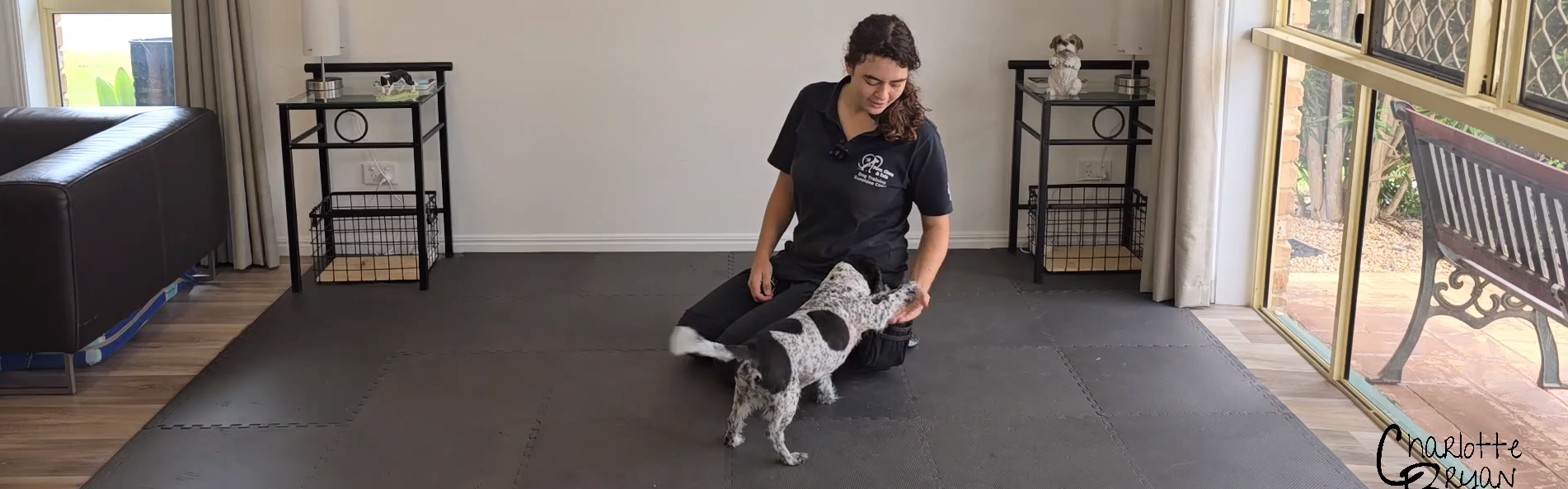
How To Teach “High Five”

High Five or Shake Paw is a fun and versatile trick that improves your dog’s balance, coordination, and body awareness. It’s also a great way to introduce voluntary husbandry, helping your dog feel comfortable with paw handling. Not only is it an impressive party trick, but it also provides a polite alternative for greeting people—allowing them to interact with your dog without reaching over their head.

Read Post ➭
Trick Training

How To Teach “Spin In A Circle”

Spin in a Circle is a fun and useful trick that helps improve your dog’s flexibility, balance, and coordination. It’s a great warm-up exercise, a crowd-pleasing party trick, and a valuable foundation skill for more advanced tricks. Mastering this movement will make it easier for your dog to learn spins in both directions, figure-eights, and other complex manoeuvres in the future.

Read Post ➭
General Training

How To Teach “Chase A Treat”

Chase a Treat is a fun and engaging game that helps break up training sessions while boosting your dog’s enthusiasm and focus. It not only reinforces their ability to follow hand gestures but also improves coordination, making it a great way to keep training exciting and rewarding!

Read Post ➭
Trick Training

How To Teach “Follow A Lure”

Teaching a dog to follow a lure—whether it’s food or a target stick—is a crucial foundation in trick training. Many owners underestimate its importance, thinking it’s too basic and skipping ahead to more advanced tricks. However, without this fundamental skill, those tricks become much harder to teach. Mastering lure following sets your dog up for success, making the learning process smoother and more enjoyable for both of you.

Read Post ➭

3 Step Framework For Reducing Undesirable Behaviours

Behaviour conditioning for dogs can be tricky, especially when you’re dealing with complex issues like reactivity or fear-aggression. These behaviours often have multiple contributing factors that can make it feel overwhelming. But when we strip everything down to its basics, all behaviours can be improved to some degree using three steps. Here’s how you can apply these steps to tackle any undesirable behaviour in your dog.

Read Post ➭